Introduction
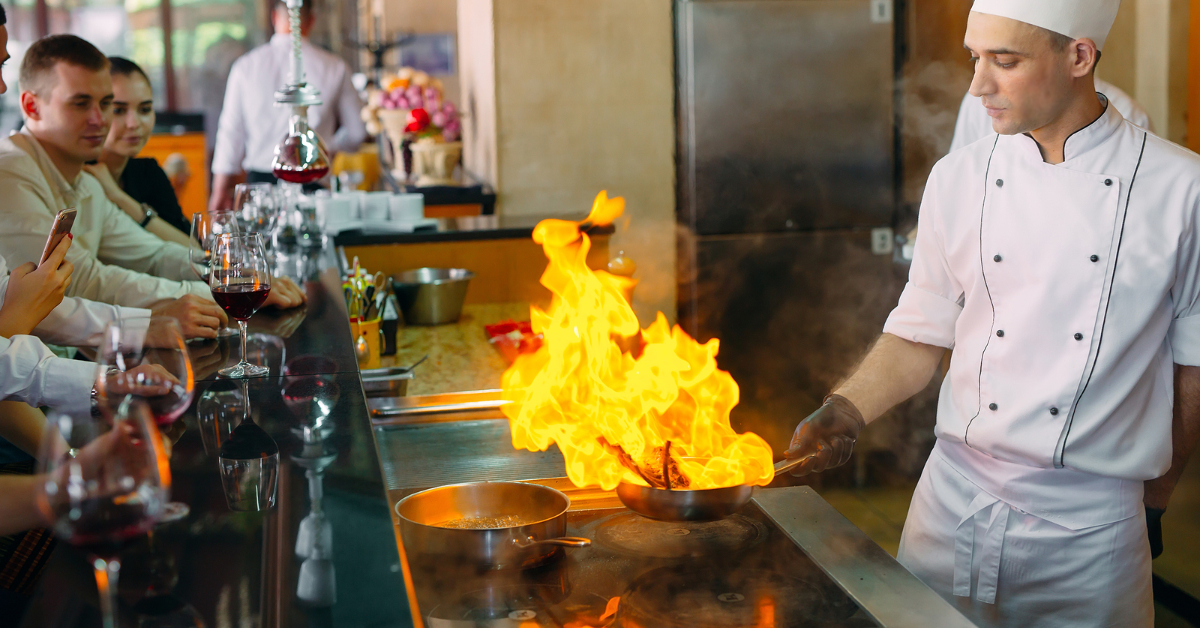
Catering has long been the silent force behind unforgettable gatherings, yet its role has dramatically transformed in recent years. What was once a logistical service focused on serving food efficiently has evolved into a sophisticated art form centered on creating immersive, multisensory experiences. The modern client no longer desires a standard buffet or plated dinner—they seek storytelling, personalization, and emotion in every bite. This new wave, known as experiential catering, is revolutionizing how people perceive and interact with food during events of every scale.
The Rise of Experiential Catering
Moving Beyond Traditional Service
Traditional catering prioritized efficiency and consistency—hot food served on time, beverages refilled, and plates cleared swiftly. But today’s clients demand experiences that connect with emotions, themes, and brand identities. Experiential catering bridges that gap by transforming food into a form of entertainment and storytelling. Every dish, setup, and interaction contributes to a narrative that engages guests beyond their palates.
For instance, a tech brand launching a new product might feature a futuristic dining setup where dishes are served on LED-lit trays synced with ambient soundscapes. A luxury wedding could highlight the couple’s journey through curated tasting stations inspired by meaningful locations in their love story. In each case, the event becomes more than a meal—it becomes an experience worth remembering.
Storytelling Through Cuisine
Experiential catering thrives on culinary storytelling. Chefs and planners collaborate to design menus that narrate a tale—perhaps the evolution of a region’s flavors or the cultural roots of an ingredient. This approach allows guests to connect emotionally, transforming them from passive diners into participants in a shared story. Each course becomes a chapter, each flavor a reflection of the event’s spirit.
The Role of Technology in Redefining Catering
Smart Presentation and Interactive Elements
Technology is reshaping catering in ways once unimaginable. Caterers are now using augmented reality (AR) menus, digital plating displays, and projection mapping to bring dishes to life. Imagine scanning your plate with a phone to watch an animation of where the ingredients were sourced, or enjoying a dessert illuminated by synchronized lighting that complements its flavors.
Interactive food stations, where guests customize dishes using digital kiosks or AI-powered recommendations, enhance engagement and reduce waiting times. These innovations not only entertain but also offer data insights—allowing caterers to refine future experiences based on real-time preferences.
Sustainable Tech-Driven Operations
Beyond guest-facing experiences, technology also streamlines operations. AI forecasting tools predict ingredient needs with remarkable accuracy, minimizing food waste. Smart kitchen systems track inventory and optimize energy use. These advancements align with the industry’s growing commitment to sustainability, ensuring memorable events don’t come at the planet’s expense.
Sustainability as the Core of Experiential Dining
Eco-Conscious Menu Design
Sustainability has evolved from a buzzword into a brand identity pillar. Modern catering embraces zero-waste kitchens, locally sourced ingredients, and plant-forward menus that promote both wellness and environmental responsibility. Clients increasingly seek caterers who align with their values—choosing those who can demonstrate transparent sourcing, fair-trade partnerships, and ethical labor practices.
For example, an eco-themed gala might feature dishes served on biodegradable tableware, or a luxury corporate event could spotlight seasonal, hyper-local ingredients that minimize transport emissions. Every sustainable choice adds authenticity and reinforces the event’s purpose.
Reducing Waste Through Creative Reuse
Caterers are now repurposing excess food through partnerships with local shelters or turning scraps into compost. Others design menus where every ingredient is used in multiple ways—a “root-to-leaf” or “nose-to-tail” philosophy that showcases innovation and environmental mindfulness simultaneously. These practices redefine what it means to be responsible in hospitality while maintaining high culinary standards.
Personalization: The Luxury Every Guest Craves
Data-Driven Customization
Modern catering leverages guest data—preferences, dietary restrictions, even past event behaviors—to craft tailored culinary experiences. Personalized menus, interactive drink-mixing stations, and custom dessert creations make guests feel seen and valued. This hyper-personalized approach is particularly appealing to corporate clients aiming to impress or couples seeking unique weddings that reflect their individuality.
Inclusive Experiences for All
True personalization also means accommodating diverse dietary lifestyles without making them feel secondary. Vegan, gluten-free, or allergen-conscious options are seamlessly integrated into event menus rather than treated as afterthoughts. Inclusivity has become a hallmark of high-end catering, reflecting the shift toward conscious hospitality.
The Fusion of Art, Design, and Culinary Innovation
The Power of Aesthetic Storytelling
Visual design plays a key role in experiential catering. Table setups now incorporate thematic installations, edible art, and live plating performances. The line between food and art continues to blur as caterers collaborate with designers, florists, and technologists to create cohesive atmospheres. From edible centerpieces to molecular gastronomy theatrics, the focus is on visual immersion as much as flavor.
Multi-Sensory Pairings
Experiential caterers craft entire journeys through synchronized soundscapes, textures, lighting, and aromas. Each element is curated to amplify the dish’s emotional resonance. A tropical-themed event might incorporate oceanic sound effects, mist diffusers with sea salt notes, and lighting that simulates sunset. This attention to sensory detail elevates dining into an art form.
Future Trends Shaping the Catering Landscape
Virtual and Hybrid Events
The rise of hybrid gatherings has inspired virtual catering experiences—meal kits delivered to remote attendees that mirror on-site menus. Corporate summits and product launches now integrate virtual tastings where participants share identical dishes via live-streamed events. This trend demonstrates catering’s adaptability to digital-first environments.
The Integration of Health and Wellness
Health-driven catering is gaining momentum. Expect to see more functional menus featuring adaptogens, probiotics, and nutrient-dense ingredients tailored to event goals—whether energizing conference attendees or relaxing wedding guests. Nutrition now complements indulgence, redefining what it means to cater responsibly.
FAQs About Experiential Catering
1. What makes experiential catering different from traditional catering?
Experiential catering focuses on emotional engagement and storytelling through food, design, and interactivity rather than simply serving meals.
2. How does technology enhance the catering experience?
It enables interactive menus, data-driven personalization, and immersive presentation methods such as AR projections or AI recommendations.
3. Is experiential catering only for luxury events?
No. While it began in high-end markets, scalable options now allow mid-range events to incorporate creative, interactive elements.
4. How can caterers implement sustainability without increasing costs?
By using seasonal local ingredients, minimizing waste through efficient forecasting, and repurposing leftovers creatively.
5. What role does personalization play in experiential catering?
Personalization transforms events into memorable experiences by tailoring menus and interactions to individual preferences.
6. Can experiential catering work for large-scale corporate events?
Absolutely. Corporate caterers increasingly use experiential setups—like themed food zones or branded culinary activations—to engage employees and guests.
7. What’s next for the future of catering?
Expect greater integration of technology, sustainability, and wellness, with an emphasis on hyper-personalized, multisensory dining journeys.
Conclusion
Experiential catering has elevated the art of hospitality into something deeper—a blend of taste, technology, and emotion that transforms dining into storytelling. It’s no longer enough to feed guests; today’s caterers must move hearts and spark memories. Those who master this evolution stand not just as service providers, but as curators of unforgettable experiences.
