Introduction
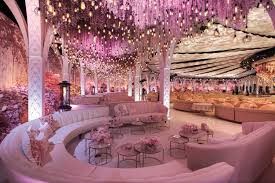
The idea of what a venue represents has transformed dramatically in recent years. It’s no longer enough for a venue to simply host an event; it must now curate an experience. Spaces are being redefined as living environments that engage all the senses, blending architecture, technology, and storytelling into one cohesive narrative. In this new era, experiential venues are setting a standard where emotion and immersion are at the core of design.
These venues do more than provide infrastructure—they shape perception, foster connection, and leave lasting emotional imprints. Whether for corporate gatherings, cultural exhibitions, or live entertainment, experiential venue design has become the ultimate differentiator in a saturated event market.
The Shift from Functionality to Experience
Beyond the Basics
Traditional venue design prioritized practical factors such as capacity, lighting, and accessibility. While these remain essential, they no longer define a venue’s success. Audiences now expect a sense of belonging and discovery. Venues must engage visitors from the moment they enter, offering something memorable that extends beyond the event itself.
The Psychology of Space
Modern designers recognize that emotionally intelligent design drives deeper engagement. The spatial layout, color palette, acoustics, and even the scent of a venue contribute to how attendees feel. A well-designed experiential venue leverages these psychological triggers to enhance storytelling. For instance, curved layouts promote flow and interaction, while natural materials evoke comfort and calm.
Key Pillars of Experiential Venue Design
1. Sensory Immersion
Experiential venues aim to engage sight, sound, touch, and even smell. Light projection mapping, ambient soundscapes, and kinetic installations transform static spaces into interactive environments. When visitors can physically and emotionally participate in an experience, their connection deepens exponentially.
2. Adaptive Architecture
Static structures are becoming obsolete. Adaptive design enables venues to shift atmospheres quickly—from a conference setup in the morning to a digital art showcase by evening. Modular walls, intelligent lighting, and movable ceilings offer flexibility while reducing the need for multiple specialized facilities.
3. Integrated Technology
Technology is now an invisible yet vital layer of venue design. Advanced venues use AI-driven lighting, real-time audience analytics, and spatial AR to personalize experiences. Imagine a space that adjusts temperature, sound intensity, and visual themes based on audience engagement. This is not science fiction—it’s happening in cutting-edge venues across Asia and Europe.
4. Narrative Flow
Experiential design treats every venue as a story told through movement. Guests become protagonists in a spatial narrative that unfolds as they explore. Strategic use of transitions, lighting cues, and interactive checkpoints helps maintain engagement and anticipation throughout their journey.
5. Sustainability as an Experience
Sustainability has evolved from a behind-the-scenes feature to an integral part of the experience itself. Venues that integrate renewable materials, biophilic design, and eco-friendly systems create a subconscious sense of wellness. Guests can literally feel the freshness of a green space, making the venue’s environmental commitment part of the story.
The Role of Technology in Experiential Venues
Augmented and Mixed Reality
The fusion of AR and MR is revolutionizing the way venues are perceived. By layering digital elements over physical spaces, these technologies create an evolving, adaptive environment. Museums now allow guests to see historical recreations overlaying ancient ruins, while conference halls can shift their ambiance with a simple projection update.
Artificial Intelligence and Personalization
AI-driven systems are analyzing attendee data to shape experiences in real time. From custom lighting moods based on crowd density to voice-activated navigation, artificial intelligence transforms a venue into a responsive environment. The goal is seamless interactivity without obvious technological intrusion.
Smart Venue Management
Experiential venues depend on smart infrastructure. Integrated IoT systems track energy use, predict maintenance needs, and automate logistics. This not only enhances efficiency but also ensures smoother guest experiences through minimal disruption.
Designing for Hybrid Engagement
Hybrid events have permanently altered the expectations for venue functionality. The modern experiential venue must simultaneously cater to on-site and remote audiences without compromising immersion. This means integrating broadcast-quality streaming zones, spatial microphones, and interactive virtual touchpoints that mirror the physical experience.
The challenge lies in maintaining emotional parity—ensuring that a virtual attendee feels the same excitement as someone physically present. Successful venues achieve this by designing dual-layered experiences, where digital storytelling complements, rather than replicates, the live environment.
Case Study: The Transformative Venue Model
One compelling example is the rise of adaptive “transformative venues.” These are multi-sensory spaces built on modular systems capable of reconfiguring for diverse purposes—concerts, art showcases, corporate events, and even wellness retreats. Instead of investing in multiple specialized sites, organizations can rely on one flexible venue that transforms through lighting, projection, and structure automation.
This approach significantly reduces environmental impact while amplifying creative possibilities. It demonstrates how experiential design can merge business sustainability with emotional innovation.
Future Trends in Experiential Venue Design
Hyper-Personalization
In the coming years, personalization will evolve beyond simple preference tracking. Facial recognition, wearable feedback devices, and emotion analytics will enable venues to feel their guests’ responses and adjust the experience accordingly.
Immersive Storytelling Architecture
Architecture itself will tell stories. Through kinetic façades, holographic surfaces, and responsive structures, the building becomes a performer. This approach blurs the boundaries between art, technology, and environment.
Biophilic Intelligence
Nature-inspired design will go beyond adding plants or water features. Future venues will mimic natural rhythms, using circadian lighting and dynamic air systems that align with biological patterns. This integration of biophilic intelligence enhances comfort, focus, and well-being.
Cognitive Accessibility
Inclusivity will become a design priority. Cognitive-friendly layouts, sensory-sensitive zones, and adaptive audio design will ensure all guests—including neurodiverse individuals—can engage comfortably and meaningfully with the environment.
Why Experiential Venues Matter
Experiential venues are not a luxury—they are a necessity in an attention-fragmented world. Brands, performers, and educators alike understand that audiences remember how they felt long after they forget what they saw. A well-crafted space can amplify messages, strengthen communities, and elevate the overall impact of any gathering.
As digital fatigue grows, the demand for spaces that inspire genuine connection continues to rise. The future of venue design lies in the ability to transform emotion into architecture, making every visit an unforgettable journey rather than just an event.
FAQs
1. What makes a venue truly experiential?
An experiential venue combines architecture, technology, and sensory design to create emotional engagement. It’s not just about functionality—it’s about how the space makes people feel.
2. How does technology enhance experiential venue design?
Technology enables personalization, interactivity, and adaptability. From AR-enhanced storytelling to AI-driven lighting and sound, it helps create environments that evolve dynamically with the audience.
3. Are experiential venues sustainable?
Yes. Many experiential venues incorporate sustainable materials, energy-efficient systems, and modular designs that minimize waste while maximizing long-term usability.
4. What industries benefit most from experiential venues?
Corporate events, entertainment, tourism, education, and cultural sectors all benefit, as experiential spaces boost engagement, retention, and emotional connection.
5. How do experiential venues differ from traditional event spaces?
Traditional venues focus on logistics and capacity, while experiential venues prioritize narrative, immersion, and interactivity, making the space part of the story.
6. What are the biggest challenges in building an experiential venue?
Balancing innovation with practicality is key. Designers must integrate advanced technology without overwhelming visitors or inflating operational costs.
7. How will experiential venue design evolve in the next decade?
We’ll see venues become smarter, more sustainable, and more emotionally intelligent—capable of sensing, responding to, and even predicting human behavior for deeper engagement.
