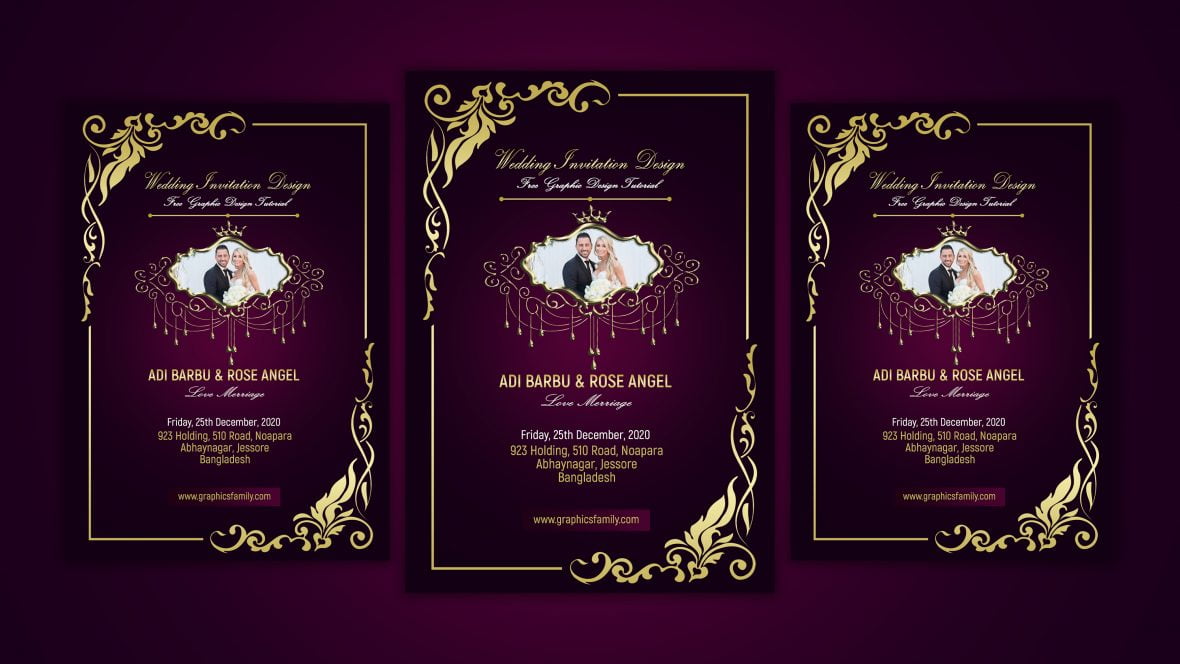
In today’s design-conscious and environmentally aware world, invitations have become more than just event announcements — they are reflections of values, style, and sustainability. The concept of sustainable sophistication has taken center stage, merging the elegance of traditional craftsmanship with the responsibility of modern eco-innovation.
Whether for weddings, luxury brand events, or corporate launches, invitations are now expected to communicate more than details — they express the host’s awareness, aesthetics, and ethical commitment. This shift marks the dawn of a new era where design doesn’t just look beautiful; it acts responsibly.
The Green Revolution in Invitation Design
The global movement toward sustainability has influenced nearly every creative industry — and invitation design is no exception. As paper waste, production emissions, and packaging concerns grow, designers are rethinking how to create invitations that are eco-friendly, luxurious, and emotionally resonant.
Why Sustainability Matters in Invitations
Traditional invitations often involve significant material waste: thick cardstock, layered envelopes, plastic coatings, and non-recyclable foils. In large-scale events, these elements can collectively create a considerable environmental footprint.
By contrast, eco-innovative invitation design prioritizes:
-
Responsible sourcing: Using recycled or sustainably harvested materials.
-
Energy efficiency: Opting for renewable-powered printing methods.
-
Minimal waste: Reducing unnecessary embellishments and packaging.
-
Longevity: Designing invitations meant to be repurposed, reused, or composted.
This evolution isn’t just about saving the planet; it’s also about redefining sophistication itself — proving that refinement and responsibility can coexist seamlessly.
The Rise of Eco-Luxury Invitations
One of the most fascinating developments in modern invitation design is the rise of eco-luxury — where sustainability and opulence intertwine.
The Aesthetics of Minimalism and Material Integrity
Sustainable invitations often embrace minimalist beauty, where simplicity amplifies elegance. Designers now highlight natural textures — cotton paper, bamboo fiber, and hand-pressed plant pulp — creating tactile depth without unnecessary embellishment.
In luxury events, this minimalism communicates exclusivity and modernity. Guests perceive such invitations as both understated and meaningful — a combination that aligns perfectly with the tastes of today’s environmentally aware elite.
Innovative Materials Redefining Design Standards
The materials driving this revolution are not just sustainable — they’re transformative. Some of the most remarkable include:
-
Seed paper: Made from post-consumer waste and embedded with seeds that can be planted after use.
-
Bamboo and hemp fibers: Renewable resources offering unique textures and durability.
-
Stone paper: Crafted from calcium carbonate, requiring no water or bleach in production.
-
Upcycled textiles: Invitations made from fabric remnants or luxury brand offcuts.
Each of these materials tells a story — one of circularity, innovation, and creativity rooted in sustainability.
Digital Hybridity: Merging Tangibility with Technology
While digital invitations have long been promoted as an eco-friendly alternative, the true innovation lies in hybrid design models — combining physical tactility with digital interactivity.
QR Codes and Smart Integration
Designers are embedding QR codes or NFC chips into printed invitations, allowing guests to:
-
RSVP online instantly
-
Access event maps or digital itineraries
-
View personalized messages or preview videos
This approach reduces the need for multiple printed inserts while enhancing the overall guest experience.
The Balance Between Emotion and Efficiency
Completely digital invites, though sustainable, often lack the emotional impact of tangible design. Hybrid invitations strike the perfect balance — preserving the sensory delight of touch while leveraging the efficiency of digital connection.
Ethical Printing and Production Methods
Eco-innovation extends beyond materials — it includes how invitations are produced. From energy sources to inks, every stage of production can contribute to a cleaner design process.
Sustainable Printing Practices
Modern invitation studios are adopting techniques such as:
-
Soy-based and vegetable inks to replace petroleum-based alternatives.
-
Waterless offset printing to eliminate harmful waste fluids.
-
Solar-powered print facilities for reduced carbon emissions.
Even packaging has evolved — recycled paper ribbons, compostable wraps, and reusable boxes have replaced traditional plastic-based components.
Localized Production
Choosing local artisans and print houses reduces transportation emissions and supports community craftsmanship. This local approach not only shortens supply chains but also enriches the story behind each design — turning the invitation into a symbol of shared responsibility.
The Emotional Value of Sustainable Invitations
Sustainability in design is not only about environmental stewardship; it’s also about emotional depth and authenticity.
When a host chooses eco-conscious invitations, they send a subtle but powerful message — that beauty can coexist with purpose. Guests often connect more deeply with invitations that reflect ethical thoughtfulness, making the event feel more meaningful even before it begins.
Conscious Gifting and Keepsakes
An emerging trend is dual-purpose invitation design, where the invite itself transforms into something functional or sentimental. Examples include:
-
Seed-paper invitations guests can plant and watch grow.
-
Wooden or textile cards that double as décor or coasters.
-
Reusable envelopes that become keepsake pouches or art prints.
These innovations give invitations a second life, extending their emotional resonance and minimizing waste.
Corporate Responsibility and Brand Storytelling
In the corporate world, sustainable invitations have become part of brand storytelling and CSR (Corporate Social Responsibility) narratives.
Eco-Design as Brand Identity
For eco-conscious companies, every design decision reinforces their core values. A sustainably designed invitation signals authenticity, responsibility, and leadership.
Luxury brands, too, have embraced eco-aesthetics — replacing glossy foils with elegant embossing, using recycled cotton stocks, and minimizing packaging without sacrificing elegance. The result? A new visual language of prestige built on environmental intelligence.
The ROI of Responsible Design
Sustainable invitations also yield measurable brand benefits:
-
Improved brand perception and trust.
-
Enhanced social media engagement through storytelling.
-
Reduced long-term printing and logistics costs.
In short, eco-innovation is no longer an optional design trend — it’s a strategic advantage.
The Future of Eco-Innovative Invitations
Looking ahead, the invitation design industry is moving toward circular design principles, where materials, production, and purpose align in continuous cycles of renewal.
Smart Materials and Bio-Design
Emerging technologies are enabling materials that self-decompose or regenerate, such as:
-
Algae-based bioplastics
-
Mycelium (mushroom) paper composites
-
Organic dyes made from food waste
These innovations are pushing sustainable design from an aesthetic choice to a scientific breakthrough.
AI and Custom Sustainability Profiles
AI tools are now helping designers generate custom eco-profiles for each invitation project — calculating carbon impact, suggesting alternative materials, and optimizing print efficiency. This integration of data and design ensures every project aligns with measurable environmental goals.
FAQs About Sustainable Invitation Design
1. What defines a truly sustainable invitation?
A sustainable invitation uses eco-friendly materials, ethical printing, minimal waste, and often serves a secondary purpose or longer life cycle.
2. Can sustainable invitations still look luxurious?
Absolutely. Eco-luxury design relies on texture, typography, and storytelling rather than wasteful embellishments. Elegance can emerge through simplicity and craftsmanship.
3. Are digital invitations always the most eco-friendly choice?
Not always. While they reduce material use, they also carry a digital carbon footprint. Hybrid solutions often offer the best balance between sustainability and emotional engagement.
4. What printing methods are best for eco-friendly invitations?
Waterless offset printing, soy-based inks, and renewable-energy printing facilities are top sustainable options.
5. How can small event planners implement eco-innovation affordably?
They can use recycled papers, limit layers and inserts, choose local printers, or adopt digital RSVP systems to cut costs and waste.
6. What are the latest sustainable materials in invitation design?
Seed paper, bamboo fiber, stone paper, hemp, and mycelium-based alternatives are leading current innovation trends.
7. Why are sustainable invitations becoming popular in corporate events?
They align with brand responsibility goals, improve public image, and reflect modern values of authenticity and care.
